

Pay to Play Anthologies

I had the pleasure of taking part in a very informative, engaging, and educational discussion about what has become known as “pay to play” anthologies. A few individuals who were not fully informed shared how they felt anyone who charges people to be a part of an anthology is preying or scamming authors. I was able to share my professional advice and findings on the subject matter, of which I’ve copied and pasted below.
Charging authors to be a part of an anthology is not always actually preying on people. It's sometimes used as a business model (often referred to as hybrid or collaborative publishing, which is a very legit form of publishing depending on the company) or an additional stream of income for the influencers and persons who have worked very hard (investing lots of time, effort, blood, money, sweat and tears) to build a platform, and they are now charging others to reap the benefits of their platform.
Now, some may actually be preying on others and are literary predators. As once upon a time you were told, "If you have to pay to get your work published, it's a scam, it's not real, it's not legit." That is no longer the case. I know some very successful hybrid publishing houses who produce some very successful authors and projects. Some are even doing better than your traditional publishing houses and authors.
That's why it's the author's job to do their due diligence on who they are dealing with as well as their capabilities, credibility, and qualifications.
The author needs to know what goals they are trying to achieve (if they just want to write and publish something, or if they want to be a real published author - because there is a difference), and they need to know what their measure of success is. Are they trying to achieve literary success, financial literary success, writing success, publishing success, etc.? So, we have to put accountability on the author.
I know we don't live in a society where self-accountability is practiced as often as it should be, but if you don't want to get preyed upon, this is a must. I've never personally used the "pay to play" model as a stream of literary income, but I know many colleagues and well-respected industry authorities and publishers who have used it with very successful results and outcomes for all parties involved.
There are always those who will say, "Well, I'm never paying to get my work published." And that's great that you know what you are and are not willing to do to achieve your measure of success. And for those who are willing to "pay to play" as we sometimes like to call it, it's great that you have other options as well. Just do your due diligence . . . I can't advise you that enough.

In the discussion about paying to be a part of an anthology, I shared the comment below after several people in the comments stated how the publishers of the "pay to play" anthologies are lining their pockets while the authors who pay to be a part of the anthology are losing out:
It works both ways. There are publishers who would rather work with authors who believe in their work and work ethic enough to invest in it themselves, which is why they require the author pay a portion of the publishing process. There are far too many people who simply want to write and publish a book instead of being a published author, which requires a lot of work in order for both the publisher and the author to get an ROI.
"When an author only knows how to write a great book but doesn't have a great work ethic and the books don't sell, the publisher is out of money while the author gets to go on about their business and land another book deal with another publisher, spend the advance without selling any books, leaving yet another publisher in the dust taking a loss. Again, this is why I feel the educational piece of being an author is a must: Act Like an Author, Think Like a Business. In partnerships, both parties should win. Not just the publisher and not just the author.
"But I will add that it’s the name(s) on the front cover of the book that readers are interested in knowing and connecting with. It’s the name(s) on the cover of the book who must form that connection and build that readership, while the publisher needs to make sure they are doing everything to ensure the books are available with various retailers, distributors, wholesalers, libraries, etc. But, again, the author(s) main duty after writing the book - preferable before and during – is creating that demand.
"We have to operate under a spirit of excellence and not a spirit of rush when it comes to deciding who we want to publish our books - in anthologies or otherwise. Times have changed and there are so many ways to publish (5 top ways including Internet Publishing) and so many different types of publishers (such as corporate publishers, boutique publishers, hybrid publishers, small press, university publishers, etc.).
"Authors have to educate, equip, and empower themselves with this information. And publishers as well, as they need to know what they owe these authors looking to be published . . . and actually deliver it!
"I belong to so many professional writing, literary, publishing, and business organizations that I tend to find myself in the company of authors and publishers from all walks with all types of work ethics and revenue models. Now, who I keep company with is a different story (lol), but I've been in the company of all types.
"But I have to agree with some of you that I just don't think I could ever pay to be a part of an anthology. I've been a part of anthologies in which other authors paid to be a part of, but I was usually one of the professional authorities invited to be a part of the anthology. I 100% hear and respect the various opinions of others. This personal choice has nothing against any publisher who partakes in this type of business model, stream of income or the authors who participate.
"All parties just need to choose wisely as to who they want to partner with."
I promise you from the depths of my soul this is why I started the educational piece of my business. I was so tired of authors coming to me for help after they'd already been mauled by a literary shark. But I understand the excitement, eagerness, and anxiety that can be involved in just wanting to get your message out there. But I need my fellow literary artists to take a pause. Do it on God's time and not your own because His timing is always perfect. And He wants you to do it in a spirit of excellence, not a spirit of rush.
Below are some questions and statements made in the comment thread of the initial post that started this discussion:
QUESTION POSED: Great topic and lots of wisdom nuggets. One related question: For those who have published work(s of others) in an anthology, what should be included in an anthology contract for participating authors? I ask because I have aspirations to publish short story anthologies in the future and I want to treat writers fairly.
MY REPONSE: The same way I mentioned that the author needs to know their goals for the project, so does the publisher. I published an anthology series (“The Sinners Series”) years ago in which I did a work-for-hire contract. I paid for every single step of the publishing process. I paid every single author, including the ones who did the introductions (Nikki Turner for Even Sinners Have Souls, K'Wan for Even Sinners Have Souls TOO, KiKi Swinson for Even Sinners STILL Have Souls) to appear in the anthology. I did not pay out royalties - just a lump sum payment. The authors received free copies they could sell (I included that number in the contract) and they were able to purchase additional copies at 50% off the retail price and sell them to double their money.
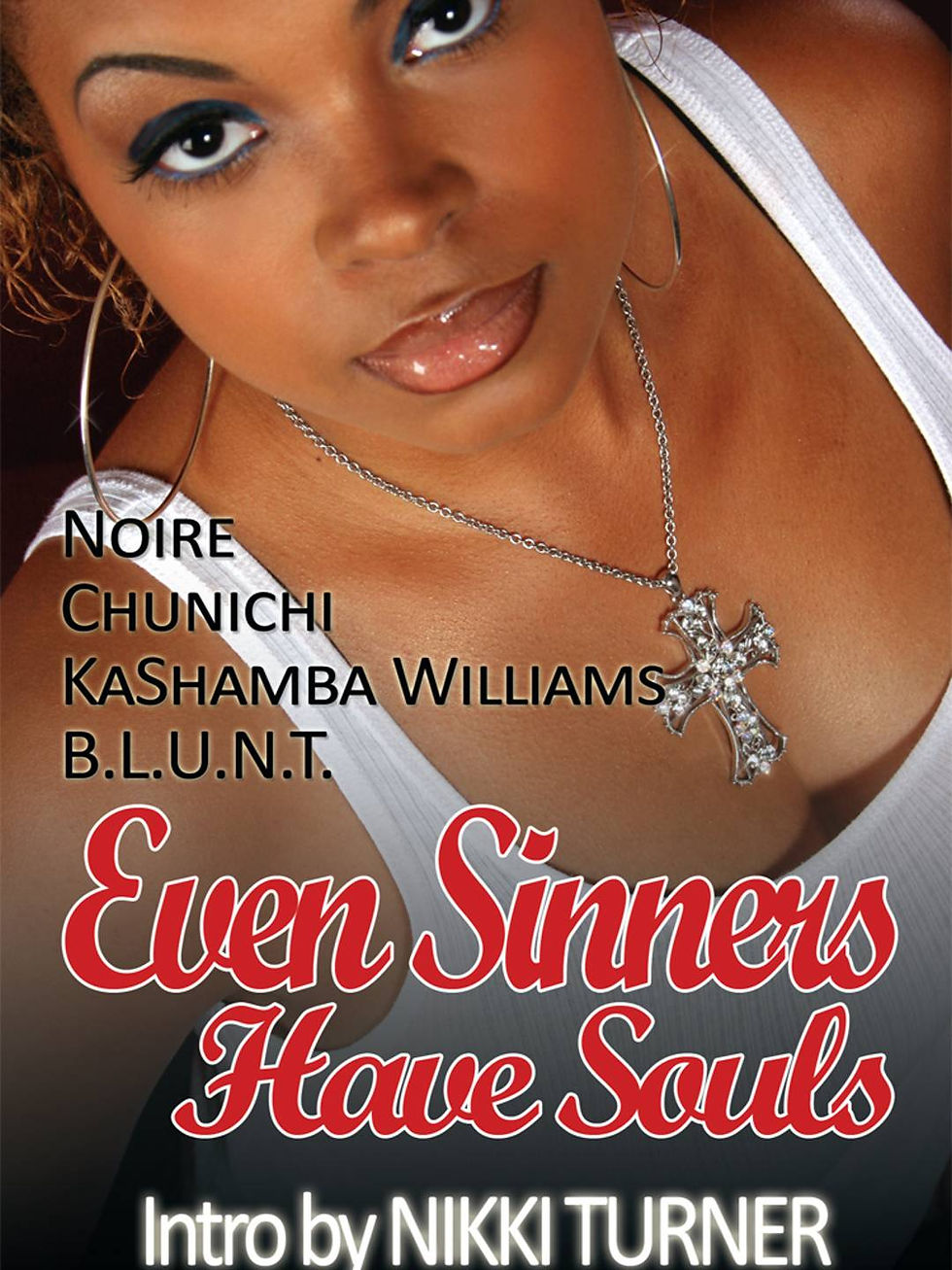


I did a co-author project with Nikita Lynnette Nichols (“The Angel Series”) in which I, again, paid for the entire cost of publishing. I paid the author an advance and royalties. Initially it was published in eBook only. Once we made tons of money selling the eBook, I sold the print and audio rights to a traditional publisher (She's No Angel) and made us more money.

As I mentioned previously, I was invited to be in anthologies, and I made sure I added my own clauses to the contracts I was given (such as the publisher only had exclusive rights for 2 years and then I could republish my contribution, that they only had English rights, etc.). I know all the great information on the topic of “Pay to Play Anthologies” is going to help both authors and publishers decide if it’s something they want to participate in.
Blessings!


Comments